
Pirates and Traders: Gold!
MicaBytesCasual
4.6437.00 Reviews
- Version
- 2.15.0
- Installs
- 10.00K
- Age Rating
- Teen
Screenshots
Our Review of Pirates and Traders: Gold!
 Analysis by Appyee
My first few sessions with Pirates and Traders: Gold! were easy to lose track of. I kept weighing whether to make money through trade or risk a run as a pirate, and that basic choice gave each trip a purpose. The appeal is strongest when I want a slower, thoughtful game rather than a quick burst of action: I can plan a route, consider the risks, and see how my decisions shape the voyage.
Why the opening sessions work
The game’s Caribbean setting gives its trading and pirate premise an immediate sense of place. I liked having a clear starting problem to solve: make limited resources stretch, decide what sort of captain to become, and work out which opportunities are worth pursuing. That combination makes the early play feel more like building a career than simply clearing a chain of short levels.
There is a useful distinction between the two broad approaches. Trading suits me when I want to think ahead and make deliberate choices; piracy is more appealing when I want risk and conflict to drive a session. The choice is not just a theme pasted over identical play. It changes what I pay attention to and what kind of outcome feels rewarding.
A practical way to approach a new run is to resist chasing every opportunity at once. I would first learn how the game presents its choices, then commit to a style for a while before judging whether it suits me. That makes it easier to understand why a decision paid off or failed, instead of treating a bad result as random. The game is at its best when I treat each voyage as a small plan with consequences.
How it fits into a month of play
After the first novelty wears off, the appeal depends on whether I enjoy returning to the same broad loop with a different objective. This is not the sort of casual game I would open only to tap through a few identical rounds. Its draw is the role-playing layer: deciding how to operate, taking on challenges, and letting a captain’s direction give a voyage its character.
That makes it a good fit for someone who likes to think between actions. I can imagine playing after dinner, choosing one clear goal for a session, and stopping once I have made meaningful progress rather than trying to finish everything in one sitting. It also suits a quiet commute or a relaxed evening better than a moment when I need instant, uncomplicated entertainment.
Compared with the usual casual alternatives—quick puzzles, endless runners, or games built around very short repeatable rounds—this asks for more patience and attention. The trade-off is that it can feel more personal: I am shaping a captain’s path, not merely trying to beat the same score again. If I want fast feedback and a low-effort distraction, those simpler alternatives are the better choice. If I want a pirate-flavored role-playing adventure with decisions to consider, this has a clearer reason to stay installed.
Small habits that make the experience smoother
I find it helps to decide what kind of captain I am trying to be before making every choice. A flexible approach can be fun, but switching priorities constantly makes it harder to understand what is working. Choosing a broad direction first gives each decision a context, while leaving room to change course when the game gives me a reason.
I would also avoid treating every risky opportunity as an invitation. In a game built around trading and piracy, the tempting option is not automatically the sensible one. Taking a moment to consider what I stand to gain and what I could lose makes the decision feel more strategic, and it keeps a setback from turning into a string of careless reactions. That is a useful habit for newcomers in particular: pause, read the choice, then commit.
For a realistic everyday routine, I would play in focused sessions rather than leave it as background entertainment. On a busy day, I might open it with a simple aim—make a careful decision, pursue one useful objective, or explore the consequences of a particular approach—and then stop when that plan is complete. The game’s slower pace rewards attention, so splitting play into deliberate visits is more satisfying than repeatedly checking in without a purpose.
Setting Sail: First Impressions
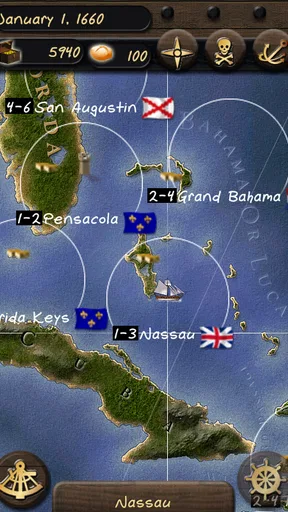
Diving into Pirates and Traders: Gold!, I was immediately struck by its immersive atmosphere. The game takes you back to the golden age of piracy, with a map sprawling across the Caribbean Sea. The graphics are simple, yet they capture the essence of the era with charming artistry. What really drew me in was the soundtrack—it's like having a sea shanty playing in the background, which adds a delightful authenticity to the experience.
Gameplay and Features
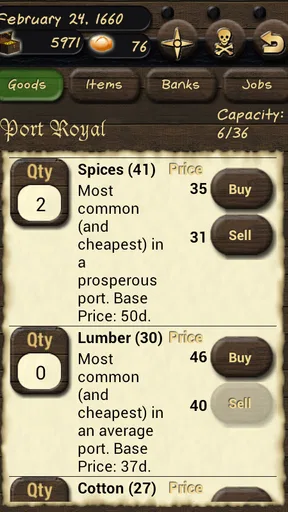
The core of the game is its strategic trading system. You start with a modest ship and a handful of coins, and your goal is to build a pirate empire. The game offers a variety of ships to upgrade to, each with distinct advantages. As you sail from port to port, you'll trade goods like sugar, rum, and tobacco. Prices fluctuate, so there's a real thrill in finding a lucrative trade route.
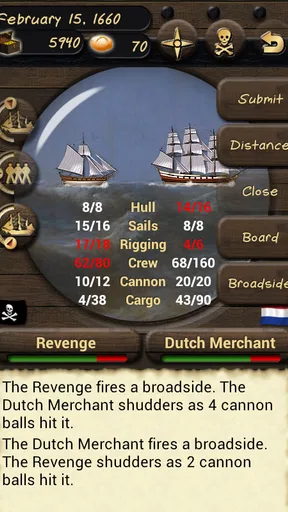
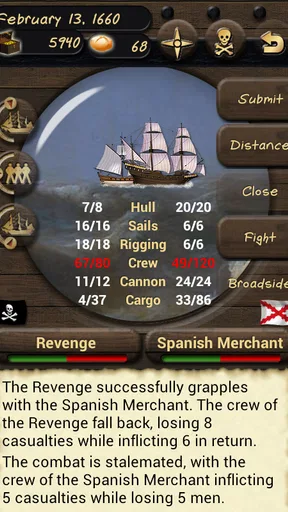
But it's not all about trading. You can choose a life of piracy, attacking merchant ships and amassing booty. The combat system is turn-based, which might feel a bit old-school, but it adds a layer of strategy as you decide when to strike and when to retreat. And let’s not forget the quests—these add depth to the game, giving you missions that range from rescuing captives to finding buried treasure.
Character Development and Story
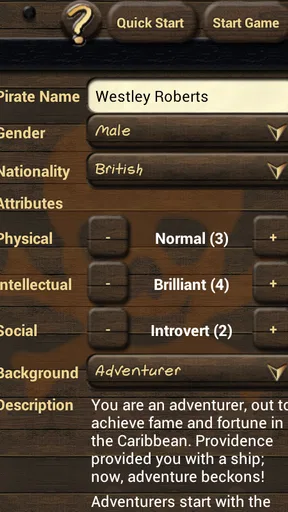
One of my favorite aspects is the character progression. You can customize your pirate captain's skills, focusing on areas like navigation, combat, or charisma. As you gain experience, you can unlock new abilities that make your pirate more formidable. There’s a narrative layer here too, with interactions that influence your reputation. Will you be a feared pirate or a respected trader? The choice is yours, and it impacts how the world reacts to you.
Challenges on the High Seas
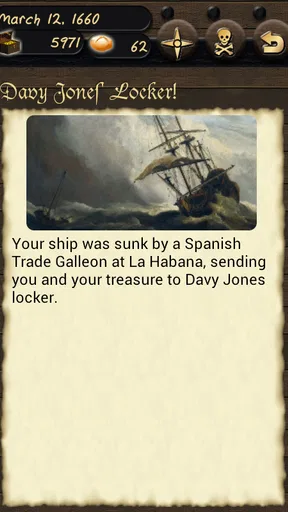
The game isn’t without its challenges. The learning curve can be steep for newcomers. Balancing your finances, managing your crew, and keeping your ship in good condition requires careful attention. Weather conditions can turn the tide of your journey—literally—with storms posing a significant threat. And let’s not forget the rival pirates who lurk around every corner, eager to plunder your hard-earned riches.
What Keeps Me Hooked
Despite some of the challenges, what keeps me coming back is the sense of freedom and adventure. Every decision feels impactful, and the open-world nature means no two games are exactly alike. The game is generous with its content, offering numerous paths and strategies to explore. I found myself constantly experimenting with different approaches—one day a ruthless pirate, the next a savvy merchant.
The community around the game is also worth mentioning. There are forums and social media groups where players share tips, strategies, and stories of their pirate escapades. It’s a vibrant community that adds another layer of enjoyment to the experience.
What to expect from the commitment
Because its systems ask me to keep several things in mind, I would not call this effortless background play. The appeal comes with a modest mental load: I need to pay attention to money, the ship, crew, and the possible consequences of a choice. That is part of the satisfaction for a strategy-minded player, but it can become friction if I only have a few distracted minutes or prefer a game that explains every step gently.
It is also worth separating the game’s role-playing appeal from expectations of a highly polished modern presentation. Its charm is in the pirate setting and the decisions, not in elaborate visuals. Players who mainly want cinematic spectacle or fast, action-heavy combat may find the more deliberate style less compelling. I would steer those players toward a different kind of adventure rather than recommend this on theme alone.
The game is a paid casual title from MicaBytes, priced at $2.99, so I would decide based on the kind of play it offers rather than expecting a free, throwaway time-killer. It is rated Teen, runs on Android 6.0 or later, and its current version is 2.15.0. Its 4.6 average from around 1.9 thousand ratings, alongside over 10 thousand installs, suggests a modest but established audience; those figures are useful context, not a guarantee that its older-school pacing will suit everyone.
Who will get the most from it
I would recommend it to players who like managing a small set of competing priorities and enjoy choosing between a respectable trading career and a more dangerous pirate life. It may also appeal to people who enjoy role-playing decisions but do not need a huge, cinematic presentation to stay engaged. The mix of trade, combat, character growth, and quests gives different kinds of players a reason to try a run.
I would be more cautious if you dislike learning systems through play, prefer a clear and gentle onboarding, or want every session to offer instant action. The early learning curve and the need to watch resources can make the first hours feel less welcoming than a straightforward casual game. If that sounds like a chore rather than part of the fun, a puzzle game or a simpler arcade title is likely a better match.
One question I would ask before buying is whether the pirate setting alone is enough to draw me in. For me, it is the combination of setting and decisions that matters; merely wanting a quick swashbuckling theme is not a strong reason to choose it. Another useful question is whether I want to focus on trade or combat. The game lets me explore both, but I get more satisfying results when I give one approach room to develop instead of expecting every session to deliver the same kind of play.
Long-term verdict
The title is an older release, first released on December 7, 2010, and that history is reflected in its straightforward presentation. Its continued appeal rests on the core choices rather than a promise of constant novelty. The developer is MicaBytes, and the current version is 2.15.0. For me, the practical question is whether I enjoy revisiting its Caribbean world and making fresh decisions—not whether I expect an endless stream of new material.
In the end, Pirates and Traders: Gold! is a gem for those who enjoy strategy games with a historical flavor. It’s a game that rewards patience and strategic thinking, and while it may not boast cutting-edge graphics, it more than makes up for it with depth and replayability. If you’re ready to hoist the sails and embrace the pirate's life, this game might just be the perfect treasure map to your next adventure.
Verdict
Strengths of Pirates and Traders: Gold!
- Engaging storyline with multiple endings.
- Diverse character development options.
- Strategic gameplay with trade and combat.
- Offline play available, no internet needed.
- Regular updates with new features.
Limitations of Pirates and Traders: Gold!
- Graphics are basic and outdated.
- Some in-game purchases are pricey.
- Steep learning curve for beginners.
- Limited soundtrack variety.
- Occasional bugs in certain missions.
Similar Picks in This Category
View All
My Talking Angela
Outfit7 Limited4.2

My Talking Tom
Outfit7 Limited4.3

Pou
Zakeh4.2

My Talking Tom 2: Pet Game
Outfit7 Limited4.3

Candy Crush Saga
King4.6

Bridge Race
Supersonic Studios LTD4.1
Frequently Asked Questions
What is the main objective of Pirates and Traders: Gold! and how does it differ from the free version?
Pirates and Traders: Gold! is a strategy game where you play as a pirate captain, navigating the Caribbean to trade goods, plunder ships, and engage in naval battles. The Gold version offers an ad-free experience and additional content, such as exclusive quests and ships, enhancing gameplay compared to the free version.
Is Pirates and Traders: Gold! suitable for all ages, and what content should players be aware of?
While Pirates and Traders: Gold! is generally suitable for teens and adults, it contains themes of piracy, including plundering and battles, which may not be appropriate for younger audiences. Players should be aware of these elements and decide accordingly if it's suitable for their age group or preferences.
How does the trading system work in Pirates and Traders: Gold! and what strategies can players use?
The trading system in Pirates and Traders: Gold! involves buying and selling goods between ports to earn profit. Players should pay attention to fluctuating market prices and demand in different ports. Strategic planning and timing are crucial; buying low and selling high is key to maximizing earnings and advancing in the game.
What platforms support Pirates and Traders: Gold! and are there any specific system requirements?
Pirates and Traders: Gold! is available on both Android and iOS platforms. It requires a relatively recent version of either operating system to ensure smooth gameplay. Users should check their device's compatibility and ensure they have enough storage space before downloading the game to avoid any performance issues.
Does Pirates and Traders: Gold! offer multiplayer options or is it a single-player experience?
Pirates and Traders: Gold! is primarily a single-player experience, focusing on personal strategy and progression. While it does not offer multiplayer options, players can enjoy a deep and engaging storyline, making strategic choices that influence the game's outcome, thus providing a unique experience each playthrough.
Play our best games!


